Custom Home Mechanics Kauaʻi Get in touch
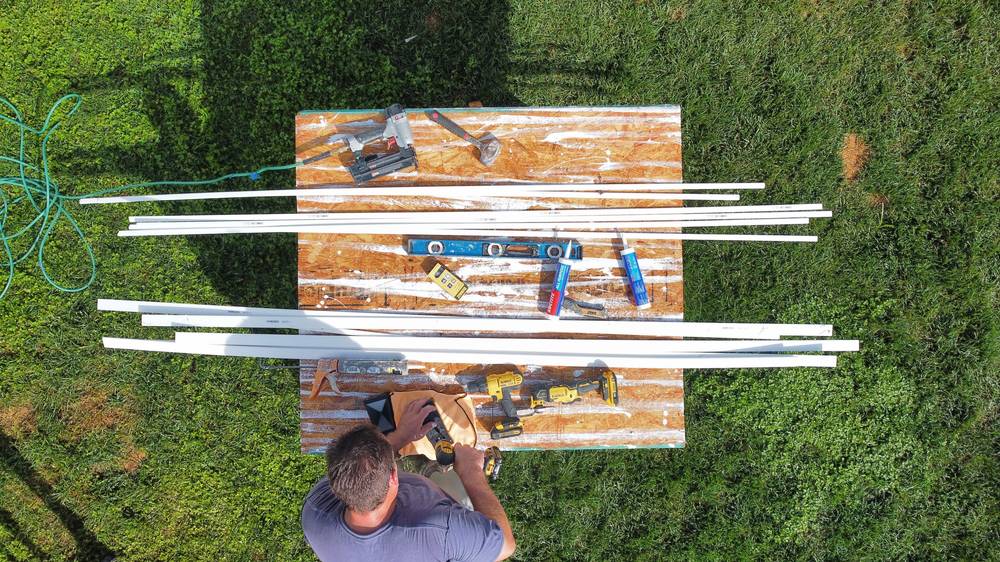
Seen from directly above: a brad nailer, hammer, spirit level, tape measure, caulk tubes, a cordless drill and a reciprocating saw laid out on a sheet of plywood in the grass, with lengths of white trim ranged either side.

Custom Home Mechanics · Kauaʻi

Tell me what’s wrong. I take the first look.

Call, and I take an honest look, then give you a written scope and a price. Small repairs within Hawaiʻi’s handyman limits I handle myself. Anything bigger is scoped and handed to licensed North Shore crews.

  • Troubleshooting and small repairs
  • Solar panel cleaning and a plain-language system check
  • Property walkthroughs for second homes and rentals
  • Clear-outs and haul-away

Rather talk? Call (808) 320-5237 · Hanalei to Kīlauea most weeks, the rest of the island by arrangement.

What I do

I’m the person you call to find out what the job actually is.

Most people ring me because something is wrong and nobody has given them a straight answer about it. A floor that has never been flat. A shower that is leaking somewhere behind the tile, and nobody wants to be the one to open it. A room that would be twice the room with one wall gone — if anybody would say so out loud.

So I come and look at the whole thing, not the one symptom you can point at. Then I tell you what is actually going on, what I would do about it, what it costs, and what I would leave alone. That part is consulting, and some people stop right there. That is a perfectly good outcome and I will still tell you the truth.

Then it depends on the size. Small repairs within Hawaiʻi’s handyman limits I handle myself. Bigger jobs I scope and price in writing, then put in front of licensed local crews in the Custom Home Mechanics network; the crew you choose contracts with you directly and I stay your point of contact. I may receive a referral fee from contractors I refer.

The services

Demolition, tile, finish work and everything between

01

Demolition

Demolition is my favourite part of the job and I am not going to pretend otherwise.

Anyone can break a wall. The skill is knowing what is inside it before you open it — what is holding up the roof, where the water and the wires run, and what has to survive completely untouched on the other side. Then taking the rest out cleanly, keeping the dust in the one room it belongs in, and hauling it away, so the next morning you walk into a space instead of a mess.

Interior and selective demolition. Kitchens, bathrooms, walls, decking, tile, cabinetry, tired lanai, and whatever the last remodel left behind the drywall. Sorted where it can be sorted, hauled where it cannot.

02

Finish work — tile, mud, level, true corners

This is the other end of the same job, and it is the part you look at every day for the next twenty years.

Tile set flat and set level, with grout lines that still line up when they reach the far wall. Mud work that disappears — patches, water damage, old repairs, texture matched until the fix stops being something you can find. Floors brought level, walls brought plumb, and corners that are actually corners, in island houses where almost nothing arrived square in the first place.

Trim, doors, casing, thresholds, built-ins. The last quarter of an inch is most of the work. It is also the entire difference between finished and nearly finished.

03

Installations and improvements

Cabinets, fixtures, appliances, hardware, shelving, screen doors, railings, equipment. Put in once, put in properly, level and true, and working on the day I leave.

Bigger improvements too — a bathroom, a kitchen, a lanai, a room that needs to become a different room. Planned out before anything is opened up, with one price and one schedule, and a preview so you know what you are getting while it still only exists on a screen.

04

Setting things up

Some jobs are not repairs at all. They are the day the thing arrives and somebody has to put it where it goes and make it work: a spa, a generator, an appliance run, a workshop, an outdoor kitchen, a whole house being handed over to someone new.

That is the work of getting something into position, levelled, connected, finished around and left genuinely ready to use — including the parts nobody photographs, like being able to reach the pump in two years without taking a deck apart.

Solar and electrical jobs I do alongside the electricians and the solar crews rather than around them: the structure it all lands on, the mounting, the routing, the preparation and the finish afterwards, on one schedule so nothing sits half-done for a month.

The plan and the price, first

Design previews

See it before anyone swings a hammer.

Here is the part people do not expect.

Before the work starts, I photograph the space exactly as it is. Then you tell me what you want, in your own words, however vague. Lighter. Less of that. Somewhere to put the boards. Vague is fine — vague is normal, and it is my job to turn it into something specific.

From that I build 3D previews of the room as it would be. And I build them out of real products: tile, fixtures, cabinets, hardware and finishes I can actually order, from suppliers who actually have them. That rule matters more than it sounds. If it is in the preview, you can have it. Nothing in there is a beautiful thing that turns out to be discontinued, or sixteen weeks out, or only made in a size that will not fit your wall.

You look at two or three versions on your phone. You change your mind as often as you like — changing your mind on a screen is free, changing it after the tile is set is emphatically not — and then we pick one.

Then I build that one.

The other thing it buys you is that we are both looking at the same picture before either of us commits. That removes most of the arguments a remodel is famous for.

The kind of work this is built for

Setting a swim spa into a structure already built for it.

A swim spa is a serious object. It is not an infinity pool and it is not a hot tub — it is a long tank with jets you swim against, full of water, and heavier than people expect right up until the moment it is hanging in the air.

Say one has to be lifted and set into a structure that has already been built to receive it, on a cinderblock base. A job like that is decided long before the day of the lift.

  1. Measure what is actually there — not what the drawings say. The base, the block, the level across it, how the load travels down and where it finally lands. Old work and new work rarely agree with each other, and it is better to find that out with a level than with a spa.
  2. Then the approach. How it gets in. What it clears. What has to come off and go back on afterwards. What is protected while it is happening, and by what.
  3. Then the set itself, which is the short part of the day — and it is only short because of everything above it.
  4. Then the part I care about most: the finish. A spa set into a structure should look like the structure was built around it and always had been. Tile that meets it properly. Decking that lands level at the coping. Water that goes where you would want it to go after five wet seasons rather than one. Access panels you can genuinely reach when a pump needs looking at — you would be amazed how often that is the thing nobody thought about, and how expensive it is to fix later.
  5. And a price agreed in writing before it starts, that does not quietly grow. You get the plan, the sequence and the number first. If the number ever changes it is because you asked for something different, and you hear it from me before it happens — not from an invoice afterwards.

Illustrative project — this describes the kind of work I am set up for and how I would approach it, not a completed job

First
Measure, not assume
Base
Cinderblock, levelled
Set
The short part of the day
Finish
Tile, decking, access
Price
Agreed in writing first

Finished work

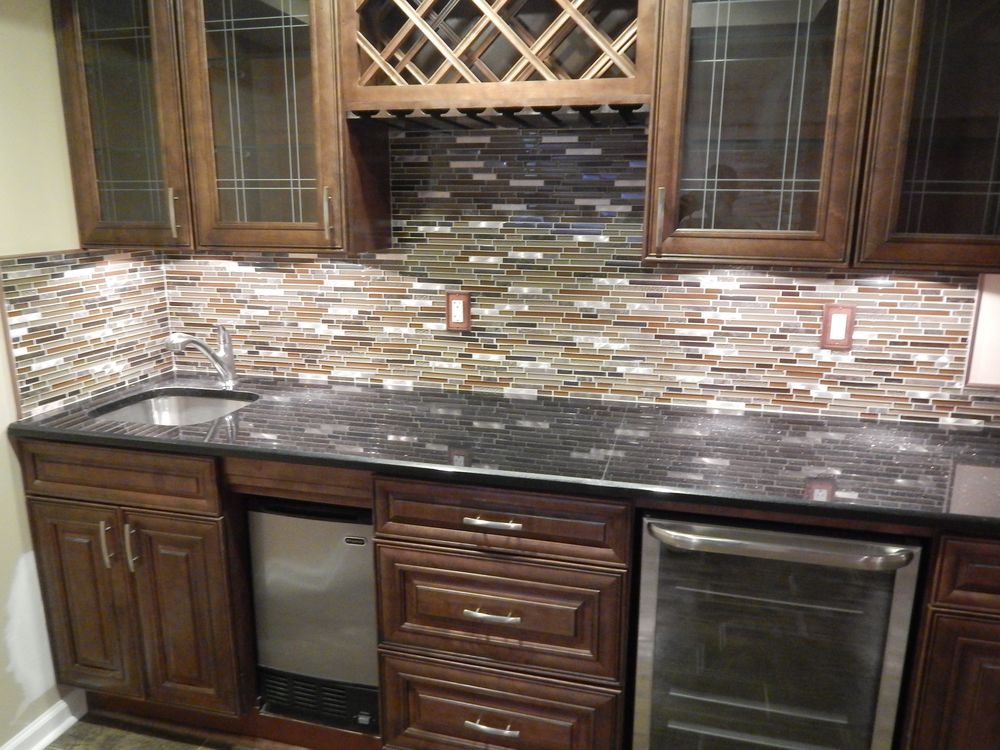
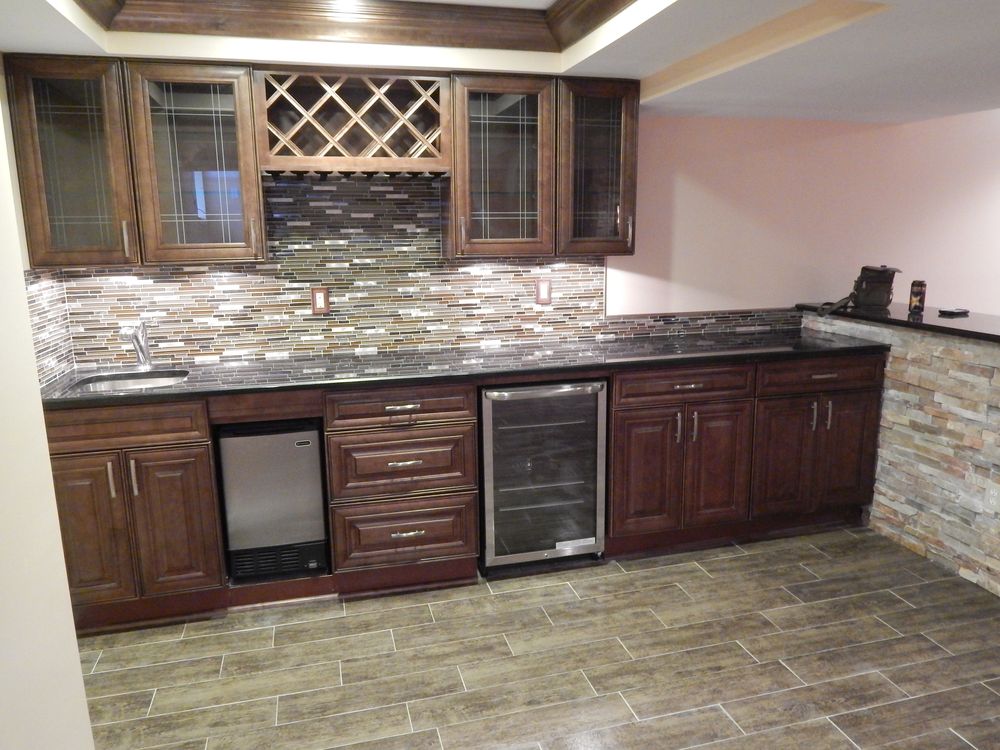
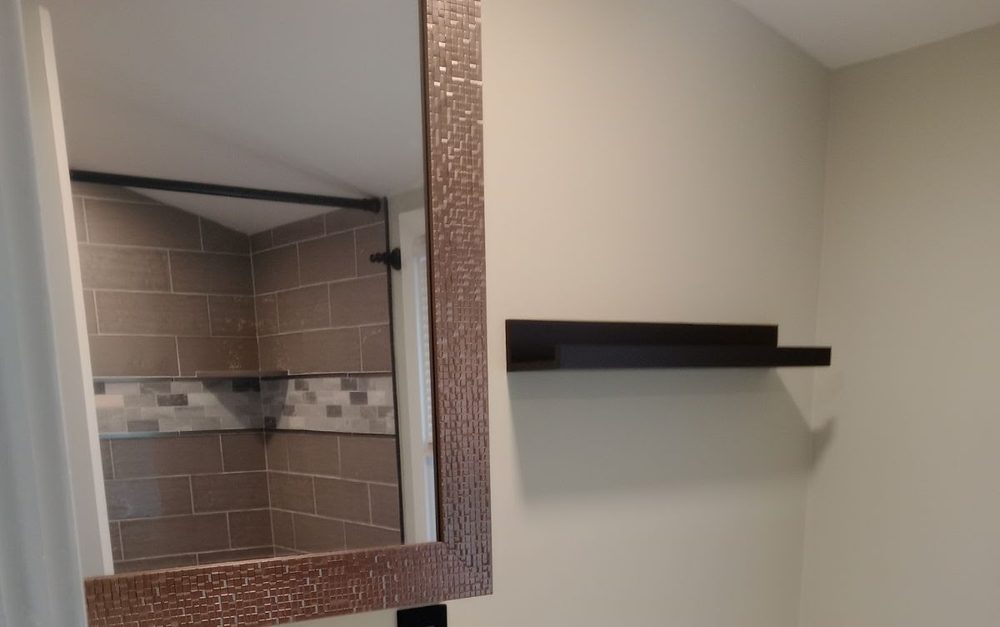
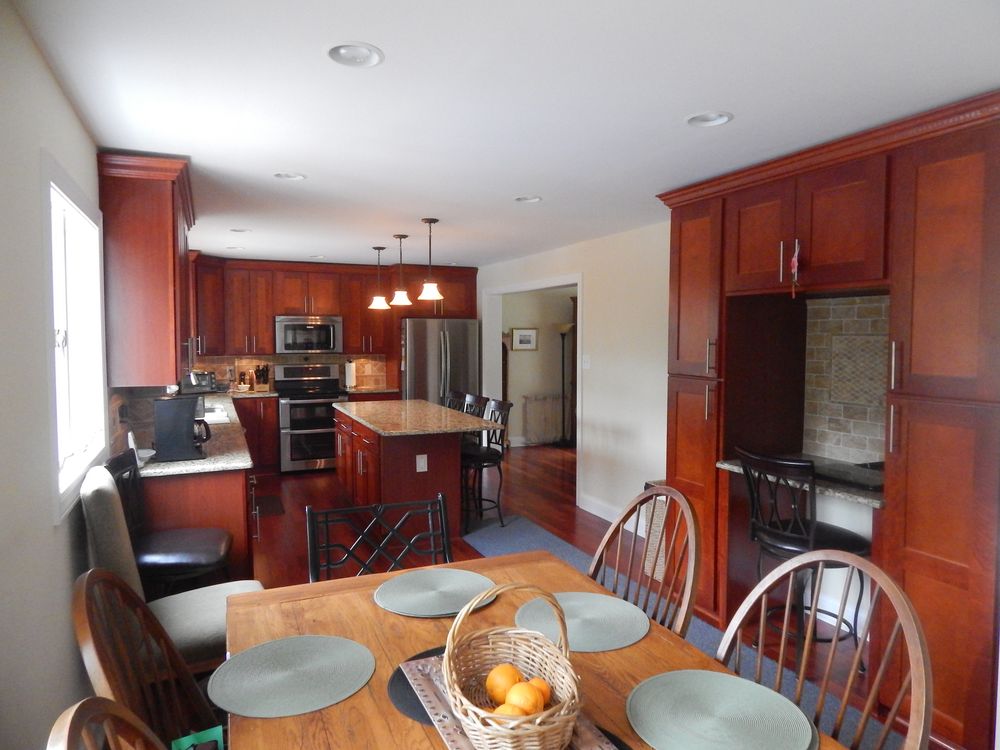
Tile, mud and finish carpentry

Earlier work, from before Kauaʻi. The standard is the same one I bring to the island.

Service area

Where I work

Home ground is the North Shore: Hanalei, Princeville, Hāʻena, Wainiha, ʻAnini, Kalihiwai, Kīlauea, Moloaʻa and Anahola. That loop is most weeks.

Kapaʻa, Wailua and Līhuʻe regularly. Kōloa, Poʻipū, Kalāheo, Hanapēpē and Waimea by arrangement — a south or west side job has to be worth the drive for both of us, so tell me what it is and I will tell you honestly whether I am the right person for it.

Serving: Hanalei · Princeville · Haena · Wainiha · Anini · Kalihiwai · Kilauea · Moloaa · Anahola · Kapaa · Wailua · Lihue · Koloa · Poipu · Kalaheo · Hanapepe · Waimea

About

Who is actually turning up

Custom Home Mechanics is a consultant you can call, not a fleet of vans. You talk to me on the phone; I look at it, write it up, and handle the small work myself. For bigger jobs I bring in licensed crews, and if something is not right afterwards, I am still the one you call.

What I like about the work has not changed in all the years I have been doing it. I like taking things apart; genuinely, it is the best day of any job. I like the moment a floor that has never been flat goes flat. I like a corner that reads as a corner from clear across the room. And I like handing something back to somebody who had decided it could not be sorted out.

What I do not like is the other tradition in this trade — the price that grows, the answer that is never quite straight, the fortnight where nobody comes and nobody rings. So: I price the job before I start it. I tell you the awkward thing early, when it is still cheap. And if I am going to be a day late, you hear it from me on the day, not the week after.

Island houses are their own subject. Salt gets into everything with a screw in it. Nothing built here is quite square, some of it for good reasons. Wood moves, the wet season finds every gap you left, and a repair that would last forever somewhere dry will be back in front of you in three years out here. Most of what I know is about building for that rather than against it.

Also mine

Hanalei Solar

Hanalei Solar is mine as well. Same island, same standard, pointed at the sun instead of the walls.

It matters more often than you would think. Half the jobs out here turn out to have a power question inside them somewhere — a panel that wants a better roof under it, a battery that needs a wall and a plan, a shed that needs both. When that happens it is one conversation with me, rather than you going looking for a licensed electrician or solar installer and hoping everyone agrees.

And a couple of other things on this island are also mine, which people usually find out sideways. My Computer Therapy is the same idea pointed at computers, Wi-Fi and the machine on the kitchen table.

Get in touch

Tell me what’s going on.

Three things and I can get moving: what is wrong or what you want, where you are on Kauaʻi, and anything that has to keep working while it happens.

No account, no app, no ticket number. I read it and I reply — usually the same day, and it is me replying.

Call (808) 320-5237

Or call (808) 320-5237 — leave the job and where you are, and it reaches me.

The letter

What was behind the wall

Every so often I write a short one: what I pulled apart, what was behind it, and one thing worth knowing about your own house. No noise, no offers, one click to leave.